Bush hogging is not just a strategy; it's an important technique for preserving the health and wellness and productivity of your areas. Whether you're managing farming land, pastures, or perhaps forestry areas, efficient bush hogging can make a substantial influence on the landscape's vitality. This write-up dives deep into different bush hogging methods, their benefits, and just how they contribute to keeping your areas healthy and productive.
Introduction to Shrub Hogging
Bush hogging entails utilizing a rotary mower to trim down dense greenery, including thick lawns, shrubs, and little trees. It's frequently employed in land clearing operations but surpasses mere cutting. This method promotes healthier dirt problems, improves crop returns, and supports wildlife environments.
What is Bush Hogging?
At its core, bush hogging has to do with efficiently removing unwanted vegetation. The term "bush hog" stems from a brand of rotary lawn mowers made particularly for durable yard and brush cutting. These makers are commonly affixed to tractors or skid guides and can deal with tough jobs that typical mowers can not handle.
Why is Bush Hogging Important?
Promotes Dirty Health: By managing overgrowth, bush hogging prevents dirt disintegration and motivates nutrient-rich topsoil. Enhances Crop Production: On a regular basis maintained areas generate higher crop outcomes by minimizing competitors from weeds. Prevents Pest Infestation: Overgrown areas can harbor parasites; bush hogging aids keep populaces in check. Improves Aesthetics: Well-kept areas look better and are much more welcoming for visitors or possible buyers.Now that we have actually established what bush hogging involves allow's check out some reliable techniques.

Bush Hogging Methods to Maintain Your Area Healthy and Productive
1. Timing Your Bush Hogging Operations
Timing is critical when it comes to bush hogging. Recognizing the most effective seasons to trim can dramatically affect the effectiveness of your efforts.
Optimal Seasons for Shrub Hogging
- Spring: Cutting in early springtime prior to plants fully grow helps take care of growth effectively. Summer: Late summer mowing can control intrusive species before they seed. Fall: Clearing brush in autumn prepares areas for wintertime climate and advertises healthy regrowth in spring.
2. Picking the Right Equipment
Your option of equipment can make or damage your bush hogging initiatives. Right here's a take a look at some common options:
Types of Tools Used in Shrub Hogging
|Equipment Kind|Description|| ----------------|-------------|| Rotating Lawn mower|Best for thick yard and light brush; versatile throughout numerous surfaces.|| Skid Steer|Extremely maneuverable; suitable for tight spaces and little work.|| Excavator|Ideal for larger tasks needing durable clearing up capabilities.|
3. Safety And Security Factors To Consider During Bush Hogging
Safety must always be a priority when running machinery on the field.
Key Security Practices Include:
- Always wear ideal safety equipment (gloves, goggles). Ensure all security attributes on your tools are functional. Maintain a secure distance from debris while mowing.
4. Understanding Surface Types
Not all terrains are developed equal; recognizing just how surface influences bush hogging will improve your effectiveness.
Different Surface Types:
- Flatlands: Easier to browse yet may need constant mowing due to rapid growth. Hillsides: Even more tough; ensure your tools has good traction. Wetlands: Frequently require specialized tools like swamp buggies or aquatic vehicles.
5. Readjusting Reducing Levels Appropriately
The height at which you set your lawn mower blade has considerable implications for plant health.
Recommended Cutting Heights
- For yards: 3-4 inches enables regrowth without destructive roots. For brush: 6 inches maintains larger plants at bay while permitting smaller vegetation to thrive.
6. Incorporating Grading and Leveling Techniques
After bush hogging, grading and leveling are important steps in preparing land for future use.
Benefits of Grading Post-Bush Hogging
- Creates an uniform surface area that advertises better drainage. Reduces soil compaction which enhances root growth.
7. Executing Forestry Mulching Techniques
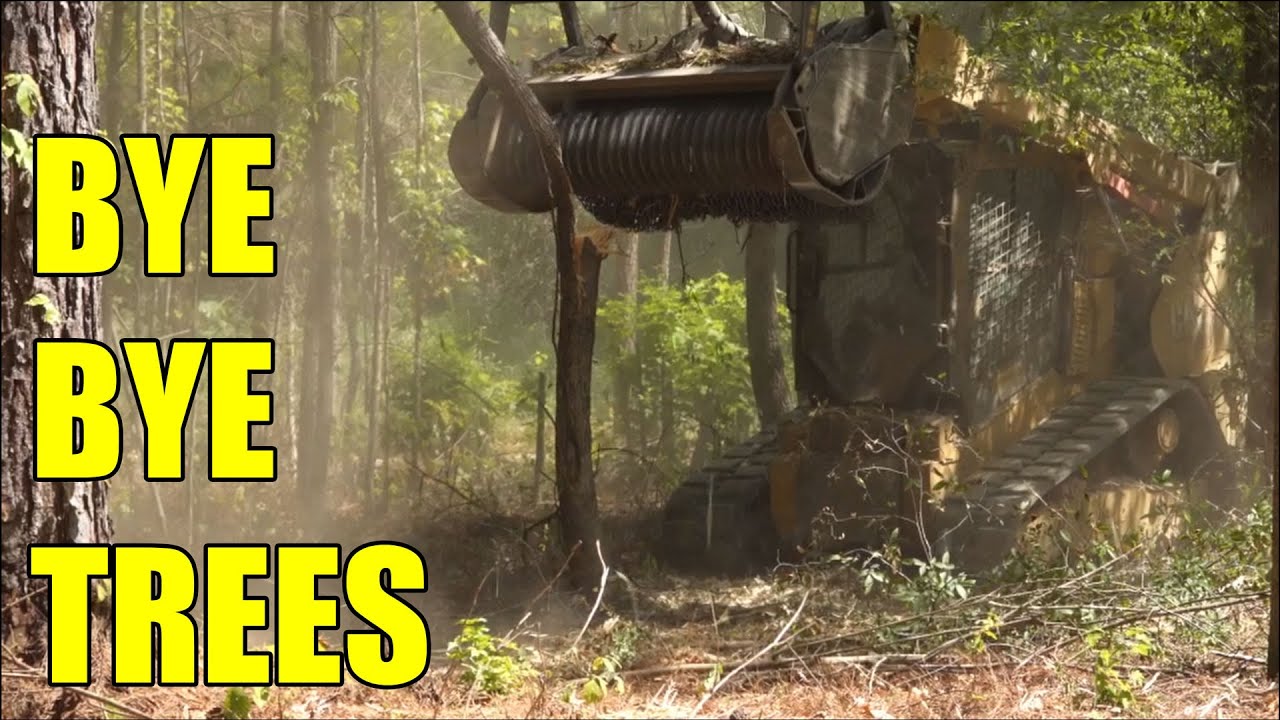
Forestry mulching is one more approach worth exploring along with conventional bush hogging techniques:
Advantages of Forestry Mulching
- Minimal soil disruption compared to various other cleaning methods. Provides ground cover that suppresses weed development via natural decay processes.
8. Discovering Land Clearing Options Beyond Shrub Hogging
While bush hogging works, there are instances where added land clearing approaches may be needed:
Complementary Land Clearing Methods
Chainsaws for eliminating bigger trees Excavators for digging stumps Chippers for processing woody debris9. Analyzing Soil Conditions Pre-Bush Hogging
Before embarking on any bush hogging project, analyzing dirt conditions must become part of your prep work procedure:
Soil Assessment Techniques
Conduct pH testing to recognize nutrient deficiencies. Observe moisture degrees which might impact machinery performance.10. Making Use Of Dirt Operate In Conjunction with Bush Hogging
Dirt job involves adjusting soil with excavation or grading; this ends up being appropriate post-bush hog operations:
How Dirt Work Enhances Shrub Hogging
- Filling reduced spots enhances general field quality. Creating berms guides water runoff better after getting rid of vegetation.
FAQs Concerning Bush Hogging Techniques
1. What are the very best times of year for bush hogging?
The best times consist of early spring before growing beginnings, late summer before seeding occurs, and fall as prep work for winter.
2. Can I use a regular lawn mower instead of a rotating mower?
Regular lawn mowers fight with thicker plants; making use of a rotary lawn mower ensures effective cutting without damaging equipment.
3. How do I maintain my bush hog equipment?
Regularly check blades for intensity, check oil levels in engines, clean after each use to stop corrosion buildup.
4. Is forestry mulching much better than typical bush hogging?
Forestry mulching decreases dirt disturbance while providing organic matter back right into the ecosystem but may not fit all circumstances compared to standard methods.
5. What safety gear do I need when bush hogging?
Essential equipment consists of gloves, goggles/face shields, listening to protection if utilizing loud machinery like tractors or skid steers.
6. How does grading enhance my field after bush hogging?
Grading produces degree surfaces boosting water drainage patterns which advantages crop manufacturing by avoiding water merging around plants' roots leading to rot issues.
Conclusion
In summary, understanding different bush hogging techniques is crucial not just for maintaining visual charm yet also making sure long-lasting performance throughout various kinds of areas-- whether farming lands or natural environments alike! With appropriate timing choice paired with an understanding of terrain features together with post-bush-hog maintenance practices such as grading/dirt work combination will result eventually reveal boosted health & & efficiency within any managed landscape setting!
By following these techniques laid out over in addition to accepting newer methods like forestry mulching where appropriate-- handling land http://paxtonemft111.theburnward.com/changing-your-residential-or-commercial-property-the-influence-of-professional-land-clearing-services becomes much less difficult yet much more rewarding! So roll up those sleeves & & start today!